
Fire Restoration Resolves
Typical Facility Issues That
Arelli’s fire restoration process focuses on removing contaminants, stabilizing affected areas, and preparing the building for safe reoccupation. Teams assess the fire type, smoke behaviour, soot penetration, and areas impacted by water exposure. Certified equipment and material-specific cleaning methods are used to deodorize, extract contaminants, and restore surfaces without causing additional damage. Through structured workflows and safety-driven protocols, we help facilities regain stability, improve air quality, and move forward confidently in the recovery process.

Typical issues include

Lingering smoke particles affecting indoor air quality

Soot embedding into equipment, electronics, and surfaces

Water-related damage including swelling and warping
Rapid mould growth after fire suppression
Fine ash and debris settling throughout the facility
Structural instability preventing safe reoccupation
If these challenges sound familiar,

Understanding the Impact of Fire, Smoke, and Water on Your Facility
Understanding how these elements interact helps determine the safest and most effective restoration strategy. A tailored approach ensures contaminated materials are removed, salvageable areas are treated promptly, and your facility’s structural integrity is protected.
Detailed Assessment and Hazard Identification
Assessing fire origin and spread patterns
Identifying smoke infiltration areas
Testing for soot concentration
Checking HVAC contamination
Evaluating water-saturated materials
Inspecting for structural weakness or instability
Restore Safety and Comfort After Fire Damage
How Professional Fire
Restoration Removes Smoke and Soot
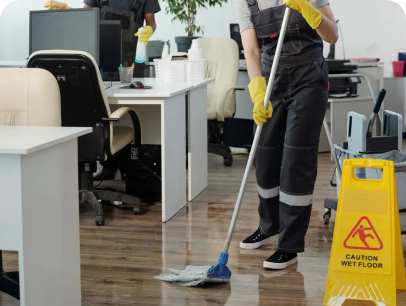
HEPA vacuums to capture fine soot
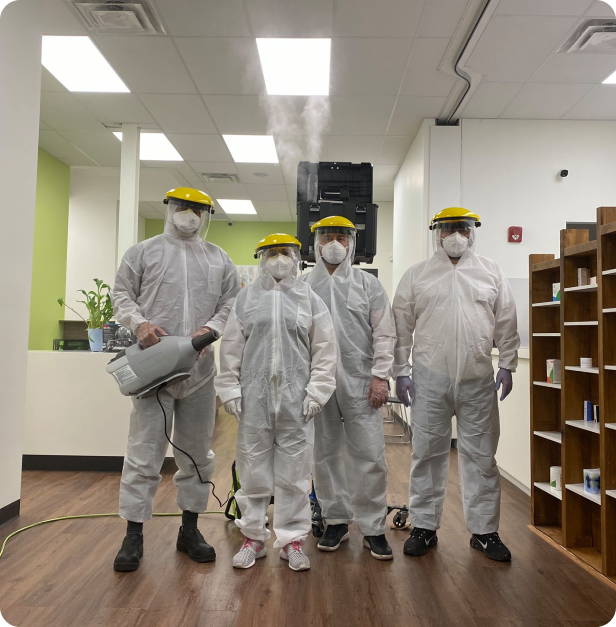
Dry and wet cleaning methods depending on material type
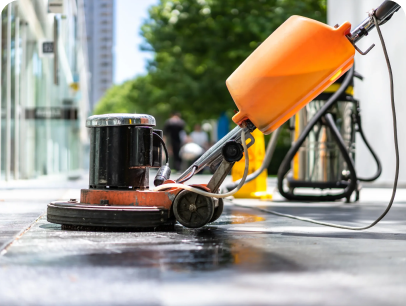
Odour-neutralizing treatments
Air scrubbers and negative air machines
Specialized soot-removal agents for metals, walls, and fixtures

Managing Water Damage and Preventing Secondary Issues
Odour Neutralization and Indoor Air Quality Restoration
- Ozone treatments
- Odour encapsulants
- Thermal fogging
- Air scrubbers with activated carbon
- Deep cleaning of soft materials
Clearing the air ensures your facility is safe, breathable, and comfortable for occupants—preventing complaints and improving workplace morale.


Safe Debris Removal and Disposal
- Clearing burnt materials
- Removing damaged drywall, flooring, and fixtures
- Isolating hazardous debris for regulated disposal
- Safely packaging soot-covered items
- Maintaining clean zones during removal
A structured removal plan keeps your facility safe and ready for the next stage of restoration.
Material Salvage and Restoration Where Possible
- Office furniture
- Equipment and electronics (when applicable)
- Hard-surface fixtures
- Lightly affected structural materials
- Non-porous items
Careful evaluation helps reduce waste and saves money while ensuring only safe, salvageable items remain onsite.
Documentation, Reporting, and Communication
- Damage reports
- Contaminated zones
- Items for disposal
- Salvageable materials
- Moisture readings
- Before-and-after photos
These records support insurance claims, regulatory compliance, and future building maintenance. Regular communication between teams and facility managers ensures restoration progresses smoothly and with full transparency.

Final Verification and Post-Restoration Inspections
- Odour elimination
- Moisture levels
- Surface cleanliness
- Airborne contaminant reduction
- Structural stability
This final check ensures the facility is ready for reoccupation and offers long-term peace of mind.
Why GTA Facilities
Trust Arelli for Fire Restoration
FAQs
Frequently Asked Questions