
Flood Clean Up · Ontario

Flood Clean-Up Services That Restore Safety and Stability to Your Facility

Fast, structured cleanup that protects your building and the people inside it.

  • Free 45-minute sample clean
  • Cancel or change service anytime
  • Price-match guarantee

Serving Ontario since 2006

(905) 553-6545

connect@arellicleaning.com

Home » Specialty » Flood Clean Up
Problems That

Flood Clean Up Helps You Prevent

Flooding introduces immediate hazards and lingering threats that can spread quickly throughout a facility. Water from burst pipes, heavy rainfall, plumbing failures, or equipment malfunctions penetrates floors, walls, and insulation within minutes. Standing water fosters bacteria, while soaked drywall, carpets, and building materials begin deteriorating almost immediately. Electrical concerns can surface without warning, structural components may weaken, and contaminants from gray or black water create unsafe conditions. Delays in cleanup allow moisture to seep deeper, and mould growth can begin developing within 24–48 hours, elevating both health risks and long-term repair costs. Arelli’s flood clean-up process addresses these challenges by focusing on hazard reduction, safe extraction, and complete structural drying.

Teams assess water type, contamination levels, and saturation patterns to plan the safest restoration method. Commercial-grade pumps, vacuums, air movers, and dehumidifiers are used to remove moisture efficiently while preventing mould and bacterial growth. Sanitization protocols and material-specific techniques ensure affected areas are stabilized and made safe for further recovery steps.

Professional office cleaning service available in the GTA

Typical issues include

Rapid water spread through walls, floors, and building materials

Increased bacteria and contamination in standing water

Electrical hazards emerging without warning

Mould growth forming within 24–48 hours

Structural weakening from prolonged moisture exposure

Deterioration of carpets, drywall, and insulation

If these issues sound familiar
Professional flood clean up helps stabilize your facility and prevent further damage.
Call us today to discuss your flood clean-up needs.

Assessing Water Type, Damage Level, and Safety Risks
Proper flood clean-up begins with a detailed assessment of the flood’s cause and severity. Technicians identify whether the water is:
Professional commercial cleaning services available in the GTA

Clean water

from broken pipes or rain
Arelli Cleaning team delivering commercial office cleaning in Ontario

Gray water

containing mild contaminants
Commercial icon 3

Black water

carrying hazardous waste or sewage

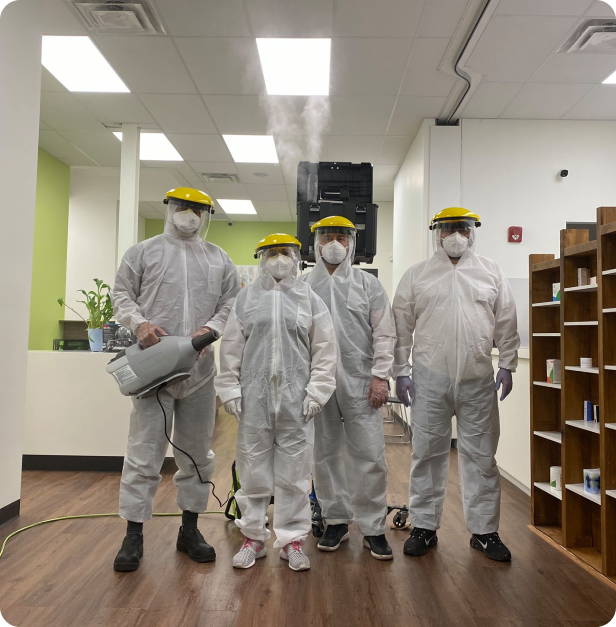
Each category requires a different level of cleanup and PPE. The assessment also identifies the depth of water penetration, affected building materials, and any electrical or slip hazards. This step ensures the cleanup crew follows the correct safety protocols and restoration plan, minimizing risks for everyone in the facility.

Fast, Professional Flood Clean Up Across the GTA

Restore safety and prevent long-term damage with trained local teams.

Water Extraction and Structural Drying Using Commercial Equipment

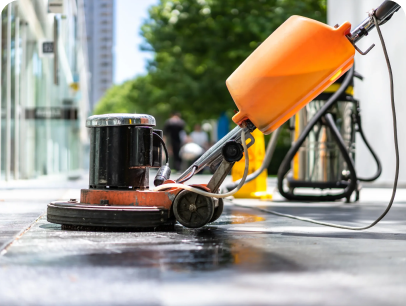
Removing standing water quickly is critical to preventing irreversible damage. Industrial pumps and high-powered vacuums extract water from floors, carpets, and low-lying areas. After extraction, drying begins immediately using:
  • Commercial dehumidifiers
  • Air movers
  • Moisture meters
  • Drying chambers for heavily saturated areas

This prevents swelling, warping, and deterioration of structural materials. Continuous moisture monitoring helps ensure full drying before repairs begin, protecting the building from hidden water pockets and future mould activity.

Sanitization, Disinfection, and Mould Prevention

Floodwater—especially gray or black water—carries bacteria, chemicals, and organic contaminants. After extraction and drying, all affected surfaces must be sanitized using:

Antimicrobial treatments

Commercial disinfectants

Targeted mould inhibitors

HEPA vacuuming for fine particles

Technicians wear full PPE to prevent exposure and cross-contamination. This stage eliminates harmful pathogens and prevents future mould growth, ensuring the environment meets safety and hygiene standards.

Removing Damaged Materials and Handling Waste Safely

Floods often compromise building materials, furniture, and equipment. When items cannot be salvaged, safe removal is essential to prevent contamination from spreading. Cleanup crews identify materials that must be discarded—including soaked drywall, insulation, carpets, padding, and affected furniture.

Waste must be handled according to safety guidelines, especially when gray or black water is involved. Proper disposal prevents lingering odours, bacterial growth, and structural risks inside the facility.

Odour Neutralization and Indoor Air Recovery

Floodwater can leave behind strong odours from bacteria, mould, and moisture buildup. Eliminating these odours requires more than surface-level cleaning. Restoration teams use:
  • Air scrubbers with HEPA and carbon filters
  • Odour-neutralizing treatments
  • Dehumidification cycles
  • Deep cleaning of affected soft materials
  • Continuous air-quality monitoring

Removing odours ensures the environment is safe, breathable, and comfortable for staff, visitors, and occupants.

Moisture Verification and Structural Safety Checks

Even when surfaces appear dry, hidden moisture can remain trapped in walls, subfloors, and ceilings. This trapped moisture weakens structural integrity and leads to mould growth if not detected. Moisture meters and infrared tools help technicians verify that drying is complete.

Structural inspections check for warping, cracking, or compromised materials, ensuring the building is ready for repairs and safe reoccupation.

Professional cleaning for marketing, real estate, and travel agency offices in the GTA

Prevent Mould, Damage, and Downtime

Our moisture-control systems protect your facility long after cleanup is complete.

Documenting Damage and Supporting Insurance Claims

Flood incidents often require detailed reports for insurance providers. Documentation may include:
  • Moisture readings and maps
  • Damage descriptions
  • Before-and-after photos
  • Materials removed and disposed
  • Sanitization and drying protocols used

These records help support claims, accelerate approvals, and ensure the restoration process proceeds smoothly from cleanup to repairs.

Why GTA Facilities Trust Arelli for Flood Clean Up

Arelli Cleaning delivers structured flood clean-up backed by experienced technicians, professional equipment, and strict adherence to safety standards. Our non-franchise model ensures consistent workmanship from teams who understand the urgency of water damage.

Whether the flood is caused by plumbing failures, weather, or sewage backups, we help facilities recover safely, quickly, and with minimal disruption.

FAQs

Frequently Asked Questions
How quickly should flood clean-up begin after water damage?
Flood clean-up should begin as soon as possible—ideally within the first few hours. Water spreads quickly through building materials, and mould can begin forming within 24–48 hours. Immediate cleanup reduces long-term damage and speeds up recovery.
Can all flooded materials be salvaged?
Not always. Non-porous materials like metal or hard surfaces can often be cleaned and restored. However, soaked drywall, insulation, carpets, cardboard, and certain furniture may need to be removed if damaged beyond repair or contaminated by gray or black water.
What equipment is used during flood restoration?
Professional teams use industrial pumps, high-powered vacuums, dehumidifiers, air movers, moisture meters, and air scrubbers. These tools help extract water, accelerate drying, remove contaminants, and restore indoor air quality.
How do you prevent mould after a flood?
Preventing mould requires fast extraction, thorough drying, and the use of antimicrobial treatments. Technicians monitor moisture levels closely and apply mould inhibitors to stop spores from growing in damp materials or hidden spaces.
Does insurance cover flood clean-up?
Coverage depends on the cause of the flood and the policy details. Detailed documentation—including moisture readings, photos, and damage reports—helps insurance providers assess the claim and streamline approvals.

Didn’t find the answer you are looking for?

Ready to Restore Your Facility After a Flood?

Protect your building with fast, effective flood clean-up and moisture control.