

The Problems Graffiti Removal Is Designed to Eliminate
Unwanted graffiti can quickly undermine a property’s appearance and signal neglect to staff, visitors, and the surrounding community. When left in place, markings often attract additional vandalism, set into porous materials, and become increasingly difficult to remove. Different substrates—brick, concrete, glass, and metal—react to paint and inks in distinct ways, making the wrong cleaning method risky. Harsh chemicals or abrasive tools can cause discoloration, streaks, etching, or long-term surface damage. Older buildings and sensitive finishes are especially vulnerable, and improper attempts at removal often lead to higher repair costs later.
Arelli’s graffiti removal process resolves these issues through careful assessment, safe chemical selection, and surface-specific methods. Technicians identify both the material and the graffiti type, test cleaning agents, and use the safest option—whether low-pressure steam, controlled solvent application, or commercial-grade pressure washing. Environmentally responsible products and strict safety routines ensure graffiti is removed without compromising the surface beneath. This approach restores the building’s appearance while preventing further deterioration.
Typical issues include

Graffiti setting into porous materials like brick or concrete

Surface discoloration or streaking from incorrect products

Damage from abrasive or aggressive DIY cleaning attempts
Sensitive finishes reacting poorly to harsh chemicals
Additional vandalism encouraged by unremoved graffiti
Higher long-term repair costs due to improper removal methods

If these problems sound familiar, professional graffiti removal helps restore and protect your property’s appearance.
Why Timely Graffiti Removal Protects Property and Reputation
For businesses located in high-traffic or urban areas, proactive graffiti removal helps maintain a clean, secure environment that reflects professionalism and care for the property.
Assessing Surfaces and Identifying the Correct Removal Method
- The surface type (brick, glass, concrete, metal, painted surfaces)
- Whether the surface is porous or non-porous
- The type of graffiti material used (spray paint, marker, etching tool)
- The age of the graffiti
- Potential sensitivity to pressure or chemicals
Surface assessment ensures that the chosen method removes graffiti effectively without damaging underlying materials. Testing a small, hidden area verifies that the cleaning solution won’t cause discoloration or abrasion.
Professional Techniques for Safe and Effective Graffiti Removal
Different surfaces require different techniques. Common strategies include:
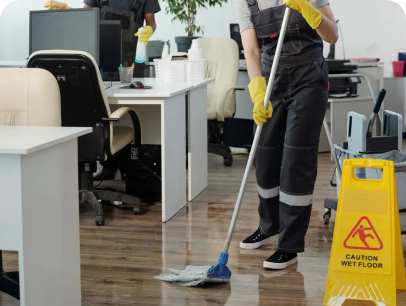
Chemical and Solvent Treatments
Used to break down paint or marker residue while protecting the underlying surface. Ideal for non-porous finishes.
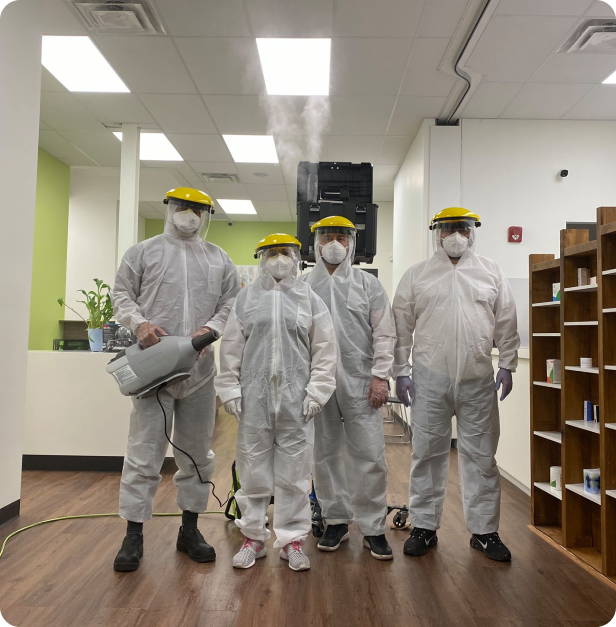
Pressure Washing for Porous Surfaces
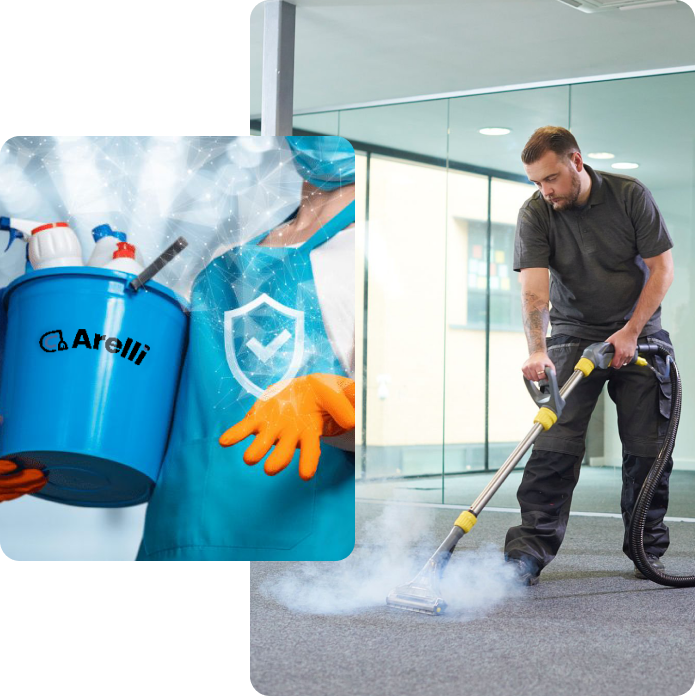
Combines hot water and controlled pressure to remove paint from stone, brick, or concrete.
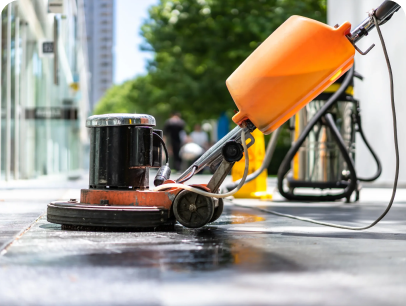
Low-Pressure Steam Cleaning
Perfect for older or delicate buildings where high pressure may cause damage.
Mechanical Methods (e.g., Baking Soda Blasting)
Useful for tough graffiti on sensitive materials without relying heavily on chemicals.
Each technique is selected to maximize removal while preserving the original look and texture of the surface.
Using Eco-Friendly Products to Protect Surfaces and the Environment
chemical runoff and odours. Eco-friendly agents also make the cleanup process safer for tenants, employees, and passersby—especially in high-traffic commercial areas. By combining safe products with precise application, technicians remove graffiti without leaving behind residue or harming surrounding landscaping.

Preventing Future Tagging With Protective Coatings
After removing graffiti, applying a protective coating helps prevent future damage and simplifies cleanup. These coatings fall into two main categories:

Sacrificial Coatings:
Create a temporary layer that can be washed off along with new graffiti.
Non-Sacrificial Coatings:
Form a long-lasting barrier that prevents paint from penetrating the surface.
Protective coatings reduce long-term maintenance costs and allow technicians to remove any new markings quickly without aggressive chemicals or high pressure. This is especially valuable for buildings in graffiti-prone areas or those with sensitive architectural features.
Safe Waste Handling and Site Cleanliness
Removing graffiti involves handling solvents, paint residue, and contaminated runoff. Proper waste management is essential to protecting the environment and keeping the surrounding area safe. Arelli ensures all waste materials are collected, contained, and disposed of in compliance with local regulations. Crews maintain clear walkways, protect nearby fixtures, and prevent overspray or chemical drift. A clean, controlled process ensures your property remains not only restored but also safe for staff and visitors.
Protect Your Property From Repeat Graffiti
Why GTA Businesses Trust Arelli for Graffiti Removal
Arelli Cleaning provides reliable, surface-safe graffiti removal using trained technicians who understand the demands of commercial properties. Our approach blends precision, eco-friendly products, and protective coatings to restore your building’s appearance and reduce future vandalism. With flexible scheduling, transparent pricing, and consistent quality from non-franchise teams, we help businesses maintain a clean, professional exterior year-round.
FAQs
Answers to the most common questions businesses ask before choosing Arelli
How fast should graffiti be removed from a commercial property?
Graffiti should be removed as quickly as possible to prevent paint from setting deeply into surfaces and to discourage repeat tagging. Rapid removal also protects the building’s appearance and reduces long-term restoration costs. Many facilities benefit from same-day or next-day service when possible.
Will graffiti removal damage my building’s surface?
When performed correctly, no. Professional technicians assess the surface first and choose the safest removal method—low-pressure steam, solvent application, or controlled pressure washing. Testing a small area helps ensure the technique won’t cause discoloration, abrasion, or structural harm.
Can graffiti be removed from porous surfaces like brick or concrete?
Yes, but porous materials require specialized techniques. Pressure washing, steam cleaning, or gentle blasting may be used depending on the level of penetration. Protective coatings after removal help prevent future staining and simplify future cleanups.
Are the chemicals used for graffiti removal safe?
Arelli prioritizes eco-friendly, low-toxicity products whenever possible. These solutions are designed to break down graffiti materials without harming surfaces, nearby landscaping, or the surrounding environment. Safety protocols ensure minimal exposure for tenants and pedestrians.
Can you prevent graffiti from coming back?
While no method completely prevents vandalism, applying sacrificial or non-sacrificial protective coatings makes future graffiti easier and faster to remove. Regular maintenance and quick response times also reduce the likelihood of repeat tagging.