
Where Commercial Kitchen Cleaning
Makes the Biggest Difference
Arelli resolves these issues through structured, inspection-aligned cleaning processes. Trained technicians remove grease from hoods and vents using fire-safety-focused methods, detail prep surfaces with appropriate detergents, deep-clean appliances, and restore floors using commercial-grade degreasers. Hidden areas are exposed, cleaned, and sanitized to maintain compliance, reduce risks, and support efficient, interruption-free kitchen operations. With Arelli’s approach, your kitchen stays cleaner, safer, and consistently ready for inspections.

Typical issues include

Grease accumulation in hoods, vents & ducts

Carbon and oil residue on equipment & prep surfaces

Slippery, hazard-prone kitchen floors
Hidden contamination under and behind appliances
Pest attraction from food debris and oil buildup
Increased inspection failures from inconsistent deep cleaning

A structured kitchen cleaning program
How Deep Cleaning Protects Your Staff and Foodservice Operation
Routine, high-quality cleaning also improves health inspection outcomes and reinforces your facility’s commitment to food safety.
What a Full Commercial Kitchen Cleaning Service Includes
Degreasing of prep surfaces
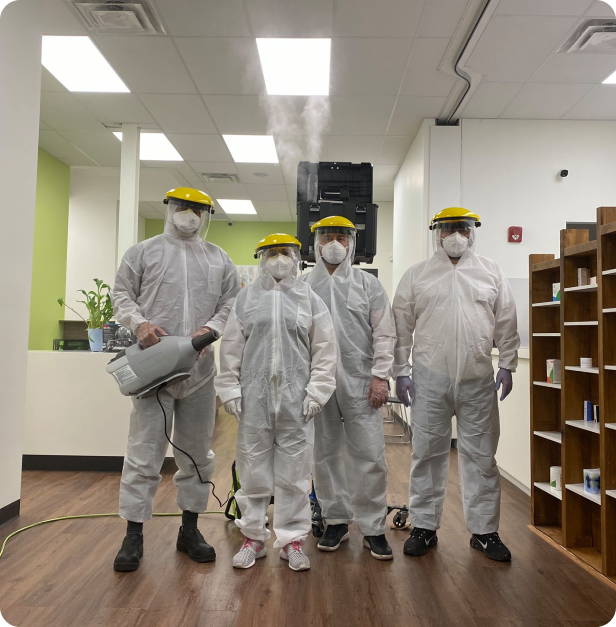
Hood & vent cleaning
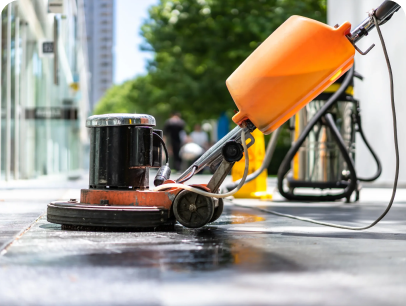
Appliance deep cleaning
ovens, grills, fryers, ranges, combi ovens, warmers
High-touch sanitization
Floor cleaning
Hidden-area detailing
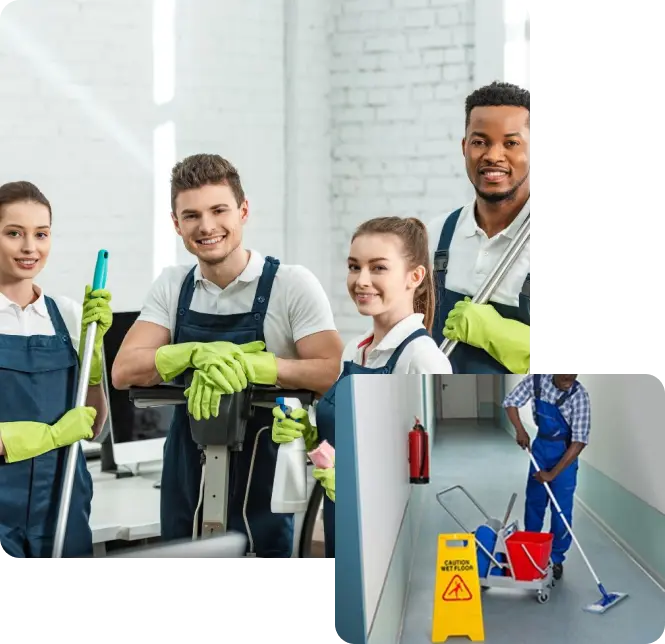
Hood, Vent, and Exhaust Cleaning that Reduces Fire Risk
- Scraping and removing hardened grease
- Cleaning hood interiors & exteriors
- Degreasing & servicing filters
- Cleaning accessible ductwork and exhaust components
This process improves ventilation, reduces smoke and odours, and aligns with NFPA fire-safety guidance.
How Often a Commercial Kitchen Should Be Professionally Cleaned
Daily – Staff Cleaning
- Standard wipe-downs
- Tool & utensil cleaning
- Surface sanitization
- Basic floor cleaning
Weekly / Monthly – Scheduled Deep Cleaning
- Appliances
- Splash zones
- Walls, floors, hidden areas
High-Use Kitchens (weekly deep cleaning)
Restaurants, hotels, and institutional kitchens require more frequent deep cleaning.
Lower-Use Kitchens (monthly deep cleaning)
Limited-service environments may deep clean monthly with strong daily routines.
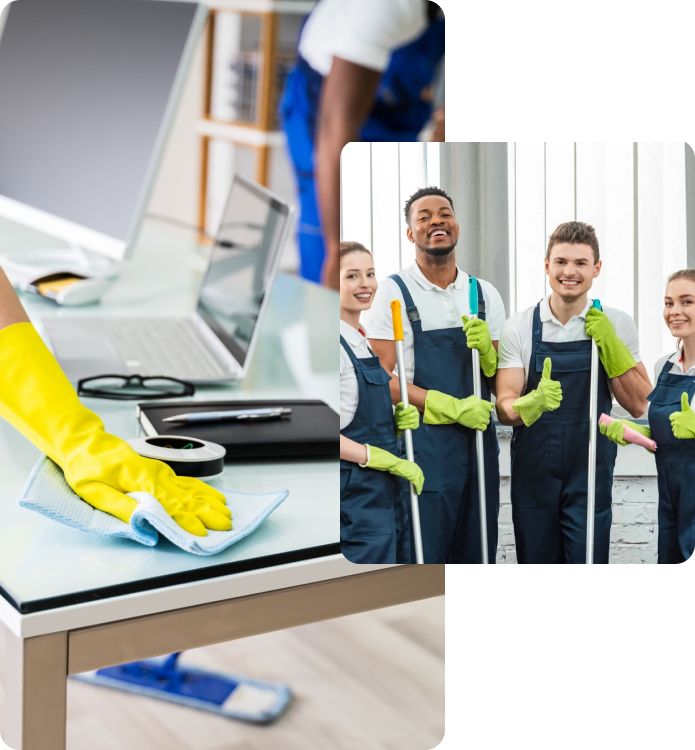
Ongoing Maintenance for Filters, Vents & Exhaust Systems
- Visual hood & filter inspections
- Filter cleaning or replacement
- Scheduled hood, filter & duct cleaning based on risk and kitchen use
Proper ventilation improves air quality, supports staff comfort, and reduces equipment strain.
What Affects the Cost of Commercial Kitchen Cleaning
Kitchen size & layout
Level of grease & contamination
Number and type of appliances
Hood/vent/filter service requirements
Frequency of cleaning
Specialized equipment or machine scrubbing
Eco-Friendly Commercial Kitchen Cleaning Options
- Safer, high-performance degreasers
- Low- or no-VOC solutions
- Steam cleaning where applicable
- Microfibre cleaning systems
- Environmentally responsible grease & waste handling
These practices improve indoor air quality and align with sustainability goals.
How to Confirm
Your Commercial Kitchen Was Cleaned Properly
A well-cleaned kitchen should show:
- Degreased surfaces & equipment
- Clean hood exteriors
- Non-slip, residue-free floors
- Sanitized high-touch points
- Neutral, fresh, non-greasy odour
Professional providers may also supply:
- Completion checklists
- Manager walkthroughs
- Verification or testing (for sensitive environments)

Operational Advantages of Professional Kitchen Cleaning
- Longer equipment lifespan
- Improved air circulation
- Reduced fire risk
- Better inspection outcomes
- Enhanced staff safety
- Stronger brand confidence
How Arelli Meets Industry Standards
- Clear, documented processes for surface, equipment, and floor cleaning
- Fire-safety-conscious hood and vent cleaning through specialized services
- Focus on high-touch surfaces and cross-contamination control
- Use of appropriate chemicals, tools, and PPE for kitchen environments
- Support for clients following health, safety, and food-handling standards
FAQs
Frequently Asked Questions