Problems That
Flood Clean Up Helps You Prevent
Teams assess water type, contamination levels, and saturation patterns to plan the safest restoration method. Commercial-grade pumps, vacuums, air movers, and dehumidifiers are used to remove moisture efficiently while preventing mould and bacterial growth. Sanitization protocols and material-specific techniques ensure affected areas are stabilized and made safe for further recovery steps.

Typical issues include

Rapid water spread through walls, floors, and building materials

Increased bacteria and contamination in standing water

Electrical hazards emerging without warning
Mould growth forming within 24–48 hours
Structural weakening from prolonged moisture exposure
Deterioration of carpets, drywall, and insulation
If these issues sound familiar
Assessing Water Type, Damage Level, and Safety Risks
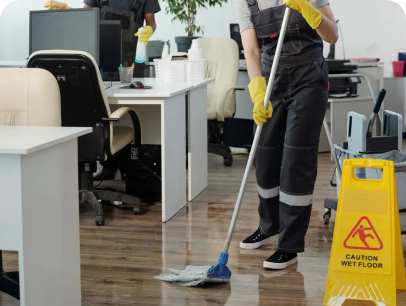
Clean water
Gray water
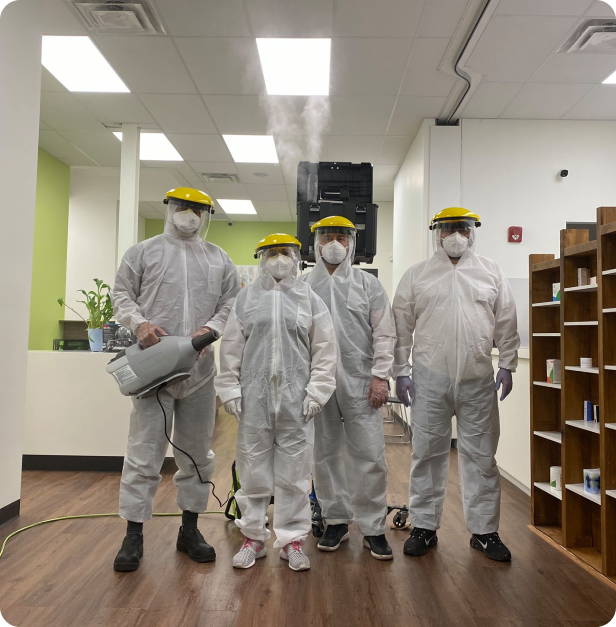
Black water
Each category requires a different level of cleanup and PPE. The assessment also identifies the depth of water penetration, affected building materials, and any electrical or slip hazards. This step ensures the cleanup crew follows the correct safety protocols and restoration plan, minimizing risks for everyone in the facility.
Fast, Professional Flood Clean Up Across the GTA
Water Extraction and Structural Drying Using Commercial Equipment
- Commercial dehumidifiers
- Air movers
- Moisture meters
- Drying chambers for heavily saturated areas
This prevents swelling, warping, and deterioration of structural materials. Continuous moisture monitoring helps ensure full drying before repairs begin, protecting the building from hidden water pockets and future mould activity.
Sanitization, Disinfection, and Mould Prevention
Antimicrobial treatments
Commercial disinfectants
Targeted mould inhibitors
HEPA vacuuming for fine particles
Removing Damaged Materials and Handling Waste Safely
Waste must be handled according to safety guidelines, especially when gray or black water is involved. Proper disposal prevents lingering odours, bacterial growth, and structural risks inside the facility.
Odour Neutralization and Indoor Air Recovery
- Air scrubbers with HEPA and carbon filters
- Odour-neutralizing treatments
- Dehumidification cycles
- Deep cleaning of affected soft materials
- Continuous air-quality monitoring
Removing odours ensures the environment is safe, breathable, and comfortable for staff, visitors, and occupants.
Moisture Verification and Structural Safety Checks
Structural inspections check for warping, cracking, or compromised materials, ensuring the building is ready for repairs and safe reoccupation.

Documenting Damage and Supporting Insurance Claims
- Moisture readings and maps
- Damage descriptions
- Before-and-after photos
- Materials removed and disposed
- Sanitization and drying protocols used
These records help support claims, accelerate approvals, and ensure the restoration process proceeds smoothly from cleanup to repairs.
Why GTA Facilities Trust Arelli for Flood Clean Up
Whether the flood is caused by plumbing failures, weather, or sewage backups, we help facilities recover safely, quickly, and with minimal disruption.
FAQs
Frequently Asked Questions