
Common Maintenance Issues Addressed by Green Cleaning
Arelli resolves these concerns through a structured approach that blends certified eco-friendly products with proven, sustainable cleaning methods. Teams receive training in chemical selection, responsible waste handling, and surface-specific application to avoid residue or dulling. Energy-efficient equipment and low-toxicity formulas are used alongside checklists that ensure consistent, effective cleaning. By controlling product quality, technique, and workflow, facilities see improved air quality, better surface hygiene, and a more comfortable environment for staff and visitors.

Typical issues include

Eco-friendly products leaving sticky or streaked finishes

Weak formulas failing to remove pollutants properly

Misapplied chemicals causing residue or inadequate sanitization
Poor indoor air quality from ineffective green solutions
Difficulty choosing safe, high-performing equipment
Waste-handling challenges when shifting to greener practices
If these challenges sound familiar, green cleaning can help your facility achieve healthier and more reliable results.
Call us today to discuss your green cleaning needs.
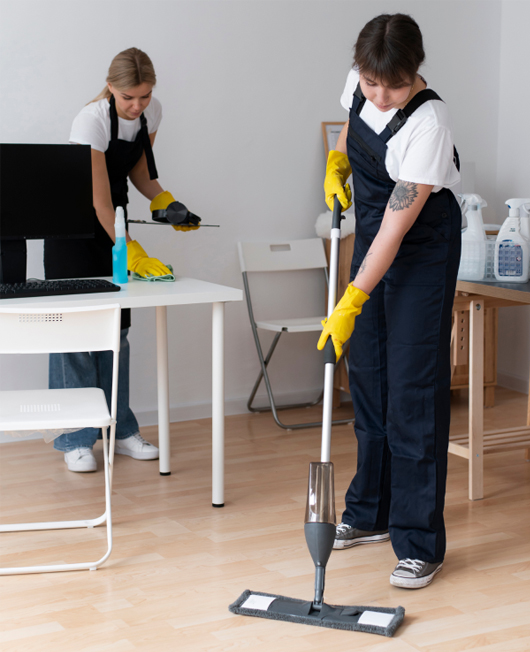
What Green Cleaning Really Means for Modern Facilities
Today, many organizations—including schools, medical offices, corporate environments, and government buildings—prefer green cleaning because it helps create safer, fresher, and more productive spaces.
The Health Benefits of Low-Toxicity Cleaning Products
- Biodegradable ingredients
- Low-odor formulas
- Non-corrosive compounds
- EPA-approved or certified eco-label substances
These products improve indoor air quality and protect employees, visitors, and cleaning staff. Facilities such as daycares, clinics, and wellness centers often choose green cleaning to safeguard vulnerable occupants.
Reducing Environmental Impact Through Smarter Cleaning Practices
- Microfibre systems that clean effectively with less water
- Concentrated products that cut plastic waste
- Controlled-dispensing systems that prevent overuse
- Low-energy or HEPA-equipped equipment
- Recycling programs for containers and materials
These strategies decrease operational waste while delivering consistent cleaning results, making green cleaning a practical choice for environmentally conscious facilities.
Lowering Workplace Allergens and Improving Indoor Air Quality
A major benefit of green cleaning is its impact on indoor air quality. Many workplaces struggle with dust, pollen, chemical residue, and airborne particles that contribute to allergies, irritation, and discomfort. Using HEPA-filtered vacuums, microfibre cloths, and low-VOC products significantly reduces allergens throughout the workspace. These practices help minimize respiratory triggers, making the environment safer for sensitive individuals—especially in offices, educational facilities, and healthcare spaces where air quality directly affects wellness and productivity.
Protecting Floors, Surfaces, and Equipment With Gentler Products
- Vinyl and laminate
- Wood and engineered flooring
- Stone and tile
- Office furniture and workstations
- Washroom fixtures and touchpoints
By reducing the use of corrosive chemicals, facilities experience longer-lasting finishes, fewer repairs, and improved appearance—particularly in high-traffic or high-visibility spaces.
High-Performance Eco-Friendly Disinfection Options
Green cleaning isn’t limited to general cleaning—modern eco-friendly disinfectants can match the performance of conventional solutions. These products target bacteria, viruses, and fungi while reducing chemical load. Many are botanical-based or hydrogen-peroxide-based, offering effective sanitization without harsh residues. When combined with proper dwell times and contact methods, green disinfectants support a safer, fresher environment for all building occupants.
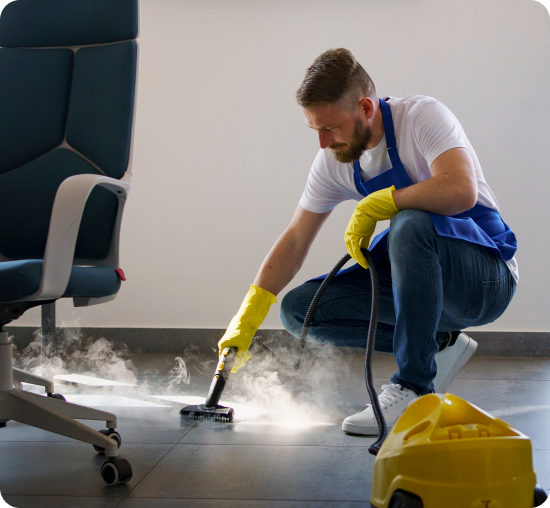
Sustainable Cleaning Without Sacrificing Quality
Training and Certifications That Ensure Safe, Effective Green Cleaning
- Correct dilution and application
- Identifying sensitive materials
- Waste reduction and recycling practices
- Managing low-toxicity disinfectants
- Using HEPA filtration and microfibre systems
- Safety protocols for indoor air protection
This ensures consistent cleaning outcomes and reduces risks associated with improper chemical use. Certified training helps maintain high-quality performance while supporting sustainability goals.
Partnering With a Green Cleaning Provider That Understands Your Facility
Why GTA Facilities Trust Arelli for Green Cleaning
Arelli Cleaning brings proven eco-friendly practices backed by trained technicians, certified products, and responsible equipment choices. Our green cleaning programs support wellness, improve air quality, and protect your facility’s surfaces while reducing your environmental footprint. With consistent, reliable service from local teams—not franchise operators—you get accountability and quality you can count on.
FAQs
Answers to the most common questions businesses ask before choosing Arelli
What makes green cleaning different from traditional cleaning?
Are green cleaning products as effective as regular chemicals?
Yes. Many modern green-certified products—especially hydrogen-peroxide-based and botanical disinfectants—offer cleaning and sanitizing power comparable to traditional chemicals while being safer for people, surfaces, and the environment.
Which facilities benefit most from green cleaning?
Any facility can benefit, but green cleaning is especially valuable for schools, daycare centers, clinics, offices, wellness centers, and workplaces with allergy-sensitive occupants. Improved air quality and lower chemical exposure help support occupant health.
Does green cleaning cost more?
Do green cleaning methods help reduce allergens?
Yes. Microfibre systems, HEPA-filtered vacuums, and low-VOC products significantly reduce airborne particles, dust, pollen, and chemical irritants, improving air quality and reducing allergy triggers.