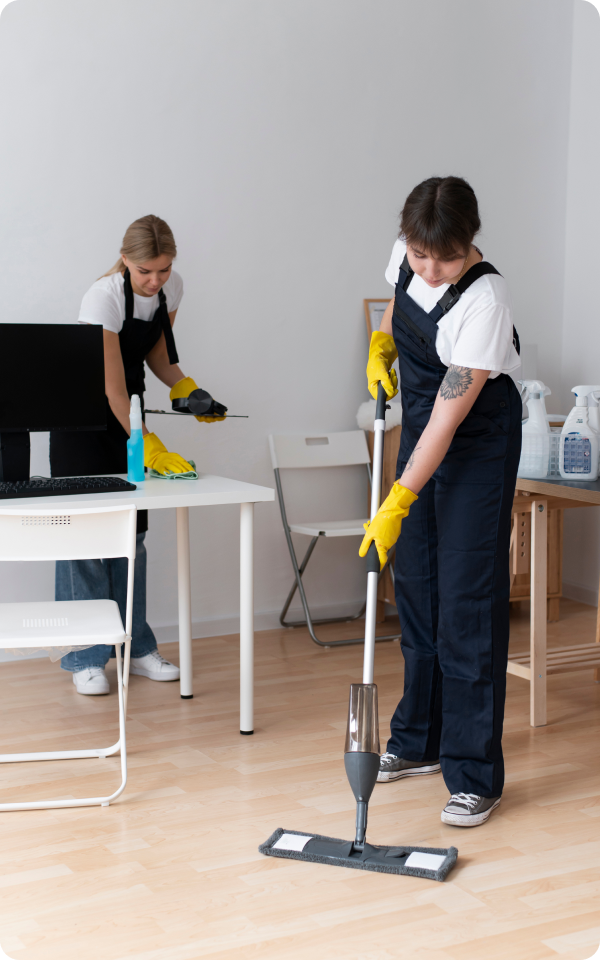

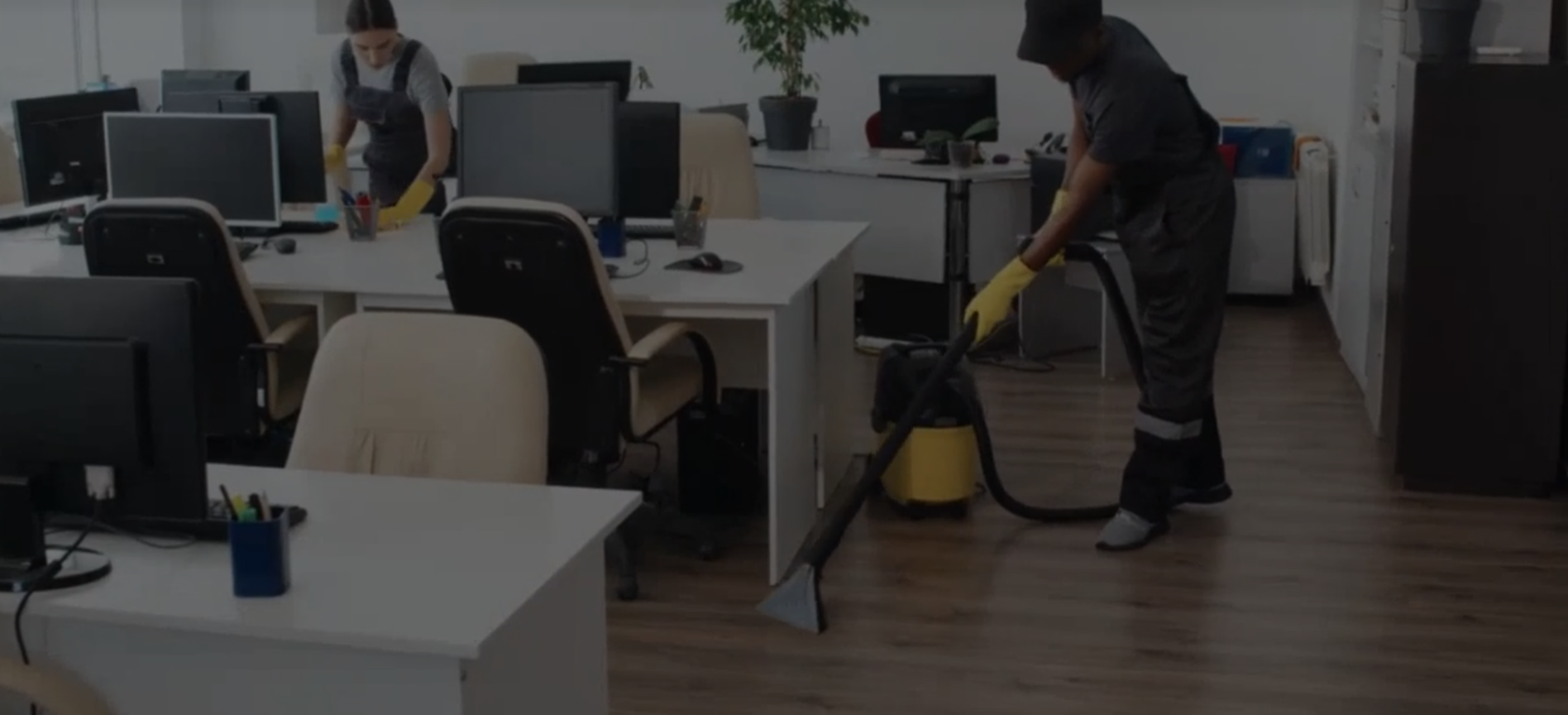
Common Problems
Mat Cleaning Helps Fix in Your Workplace
Floor mats take the brunt of daily foot traffic, absorbing dirt, moisture, winter salt, and outdoor debris. As they become saturated, mats lose their ability to trap soil effectively, causing grime to spread further into hallways, lobbies, and work areas. Moisture trapped in fibres often leads to odours, bacteria growth, and potential mould under the right conditions. Over time, edges may curl, backing can lose grip, and worn sections create tripping hazards. When mats are heavily soiled or neglected, they stop protecting floors and begin contributing to faster wear, safety concerns, and a visibly unclean environment.
Arelli’s structured mat cleaning process addresses these issues with thorough soil extraction, targeted stain removal, and deep-cleaning techniques designed to restore traction and appearance. Teams use commercial-grade equipment and detergents that pull contaminants from fibres while preserving mat structure and extending lifespan. Proper drying routines ensure mats return fully refreshed, odour-free, and ready to perform, reducing contamination pathways and supporting a cleaner, safer facility.

Typical issues include

Dirt and salt tracking past entry mats into interior areas

Odours caused by moisture trapped deep within fibres

Curling edges or worn backing increasing slip or trip risks
Heavy soil buildup reducing mat effectiveness
Bacteria or mould forming under persistently damp mats
Premature floor wear from inadequate soil containment
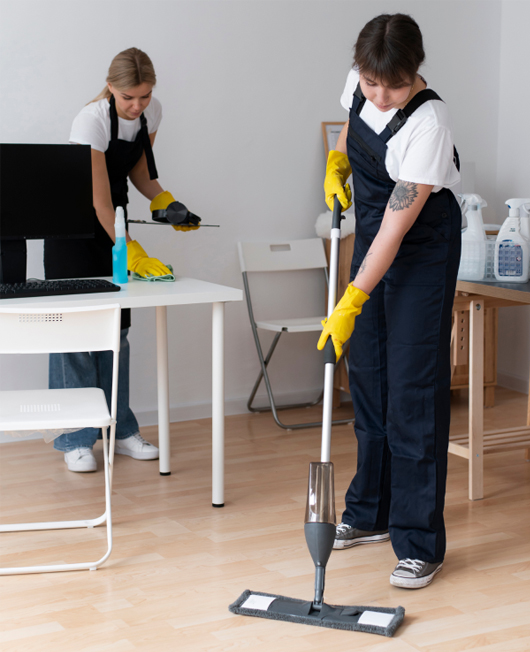
Pre-Cleaning Inspection to Identify Wear
Stains, and Safety Issues
- Worn fibres
- Curling edges
- Embedded debris
- Stains and spills
- Moisture saturation
- Backing issues
- Trip hazards
This assessment determines the correct cleaning method and ensures each mat receives the attention it needs. Addressing early signs of wear helps extend mat lifespan and maintains safety standards.
Extend the Life of Your Mats With Professional Cleaning
Reduce wear, improve safety, and keep your facility cleaner year-round.
Removing Dry Soil and Embedded
Particles Before Deep Cleaning
This prevents mud formation and ensures stain removal and washing processes are more effective.

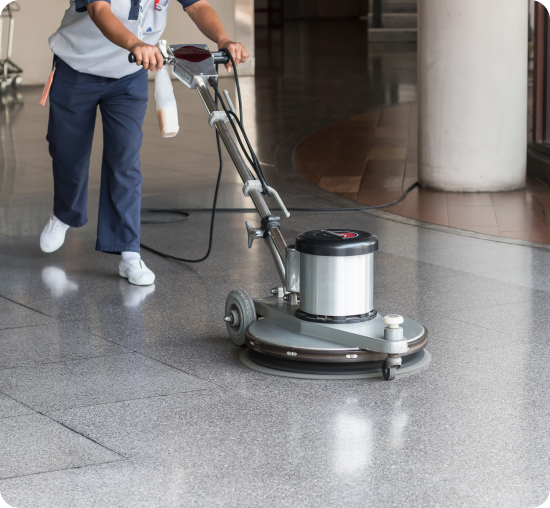
Targeted Stain Treatment for Grease
Spills, and High-Traffic Marks
Some mats accumulate stubborn stains that require additional treatment. Spot cleaning targets:
- Grease and oil
- Beverage spills
- Salt marks
- Ground-in dirt
- Gum or sticky residues
These stains are treated individually using material-appropriate detergents to protect mat fibres while restoring colour and appearance.
Deep Cleaning
Methods for Different Mat Types
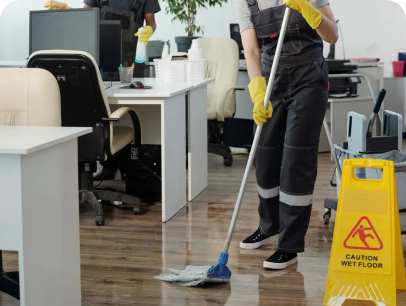
Hot Water Extraction
Effective for rubber-backed mats and textiles that need deep penetration to remove embedded dirt and bacteria.
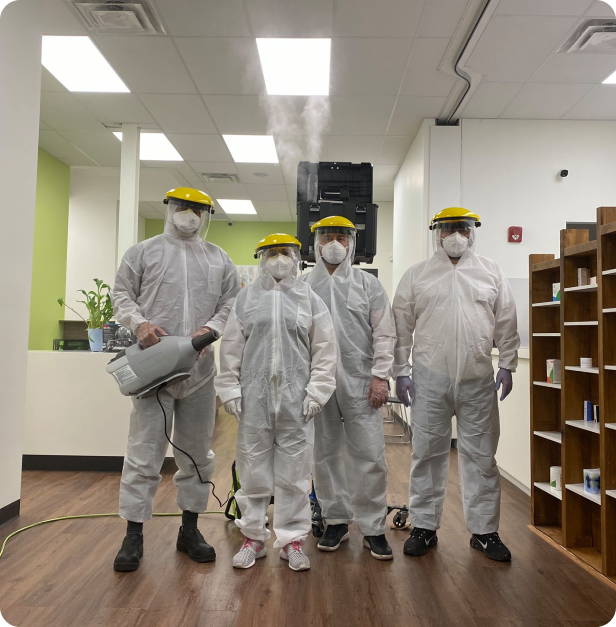
Immersion Cleaning
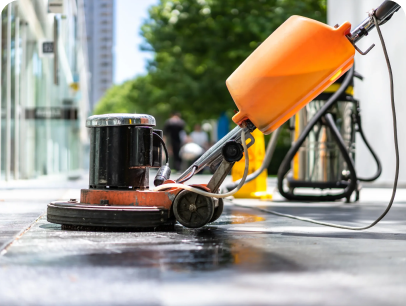
Steam Cleaning
Uses high heat to sanitize, deodorize, and lift grime without excessive moisture.
Low-Moisture Cleaning
Used for delicate mats or areas where rapid drying is required.
Proper Drying to Prevent Mould
Odours, and Material Damage
Drying is one of the most critical steps in mat cleaning. If mats remain damp, they can harbour mould, mildew, and unpleasant odours. Technicians use:
- High-powered air movers
- Low-temperature drying rooms
- Controlled airflow systems
- Moisture-measuring tools
Complete drying prevents mat backing from separating and maintains slip resistance. It also ensures mats return to service quickly without transferring moisture to floors.

Final Inspection to
Ensure Quality and Safety
- Soil and stain removal
- Odour elimination
- Proper drying
- Slip-resistant backing integrity
- Fibre restoration
- Correct size and shape retention
This step ensures every mat is safe, visually clean, and ready to perform its intended function.
How Often Mats
Should Be Professionally Cleaned
Cleaning frequency depends on foot traffic, weather conditions, and mat placement. Typical guidelines include:

Entry mats
Weekly to bi-weekly
Interior mats
Industrial/shop mats
Seasonal adjustments
Factors
That Influence Mat Cleaning Costs
- Mat size and thickness
- Level of soiling
- Type of material
- Required cleaning method
- Stain complexity
- Pickup and return needs
Industry-Specific
Mat Care for Specialized Environments
Healthcare: Sanitization-focused cleaning
Food service: Grease and spill removal
Manufacturing: Heavy soil and chemical residue control
Retail: High-visibility appearance preservation
Education: Allergen reduction
Tailoring cleaning to industry needs improves safety and enhances the facility’s overall condition.
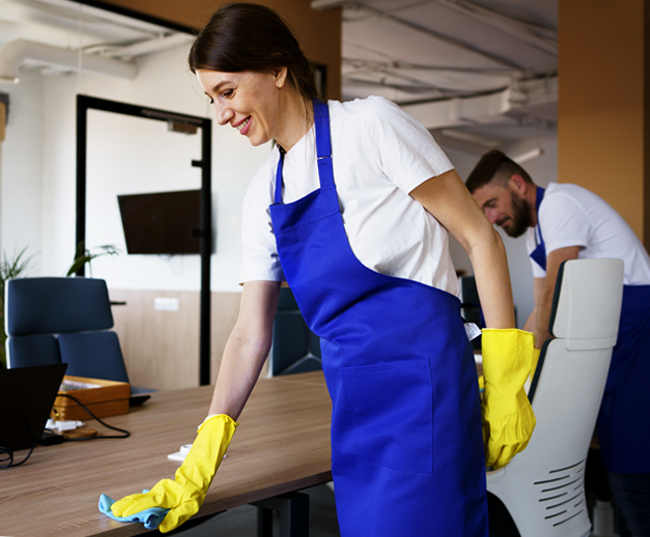
Eco-Friendly
Mat Cleaning Solutions
Green cleaning also prevents harsh chemical exposure for staff and visitors, making mats safer for widespread use in sensitive environments such as clinics, daycares, and wellness centers.
Special Care for Entrance Mats
Anti-Fatigue Mats, and Specialty Surfaces
Entrance mats: Trap dirt and moisture—need frequent deep cleaning
Anti-fatigue mats: Must retain cushioning and structure
Kitchen mats: Require grease removal and sanitization
Logo mats: Need gentle cleaning to preserve branding visuals
Using the correct method keeps mats functional and extends their lifespan.

How to Maintain
Mats Between Professional Cleanings
- Frequent vacuuming
- Prompt spill cleanup
- Shaking out loose debris
- Rotating mats to distribute wear
- Ensuring mats lie flat and secure
- Removing snow and salt buildup near entrances
These small steps support overall cleanliness and reduce long-term cleaning costs.
Why GTA Facilities
Trust Arelli for Mat Cleaning
Our systematic approach restores mat cleanliness, appearance, and slip resistance—enhancing safety and protecting your floors. With our non-franchise model and flexible pickup schedules, you receive consistent, accountable service every time.
FAQs
Answers to the most common questions businesses ask before choosing Arelli