

Common Exterior Problems Power Washing Solves for Your Facility
Arelli addresses these issues using professional-grade power washing equipment, controlled pressure systems, surface-appropriate detergents, and trained technicians. Our teams remove stubborn dirt without damaging materials and restore appearance while improving safety. With reliable scheduling and proven cleaning workflows, your property stays cleaner, safer, and more inviting.

Typical issues power washing resolves include

Slippery walkways covered in algae or moss

Darkened concrete from layered dirt and moisture

Weather-stained building facades and entrances
Organic growth in shaded or damp exterior areas
Salt deposits left over from winter conditions
Dust, pollutants, and airborne residue clinging to surfaces

If these issues sound familiar, power washing offers a fast, effective way to restore your exterior surfaces and reduce safety risks.
Call us today to discuss your power washing needs.

When Exterior Surfaces Start Showing Their Age
Power washing reverses this gradual deterioration by removing what ordinary cleaning leaves behind—restoring colour, brightness, and the overall condition of your property’s exterior.
How Pressure Cleaning Helps Prevent Slips, Trips, and Surface Wear
Built-up grime can cause more than cosmetic issues. Slippery algae, mould, and dirt on walkways create hazards for both staff and visitors. Left untreated, contaminants can also erode concrete and compromise protective coatings. Routine power washing minimizes these risks by clearing away materials that trap moisture or reduce surface traction. Clean walkways and pads help facilities maintain compliance and reduce liability exposure.


The Air Quality and Hygiene Benefits You Don’t See at First
Power washing helps improve the environment around your building by removing spores, pollutants, and organic matter that cling to exterior walls and surfaces. These contaminants can spread into high-traffic zones or become airborne when disturbed. By clearing buildup thoroughly, power washing supports cleaner air around entrances and reduces the transfer of dirt into indoor areas.
Why Power Washing Protects Structural Materials Over Time
Neglected buildup can trap moisture, stain surfaces, and cause premature deterioration. Concrete, brick, stone, and siding all benefit from periodic pressure cleaning that clears away residue before it becomes permanent. Power washing helps stop long-term staining, discourages mould growth, and preserves the integrity of exterior materials—protecting your investment and reducing repair costs over time.

How Often a Facility Should Schedule Power Washing
Different surfaces and environments require different cleaning frequencies. High-traffic walkways, loading docks, and building entrances may need cleaning several times a year, especially where foot traffic or weather conditions accelerate buildup. Exterior siding, concrete pads, patios, and retaining walls often benefit from seasonal or twice-yearly washing. Establishing a routine schedule helps prevent stains from becoming embedded and keeps your property presenting well year-round.
What Seasonal Weather Means for Exterior Cleaning
Understanding these patterns ensures power washing is timed to maximize results and protect surfaces from seasonal wear.
Eco-Responsible Washing Techniques That Protect Surroundings
- Biodegradable, low-toxicity detergents
- Controlled water usage
- Pre-soaking to reduce runoff
- Low-pressure rinsing where appropriate
- Collection or diversion of wastewater in sensitive areas
These practices ensure dirt is removed effectively without harming landscaping, drains, or surrounding ecosystems.
Meeting Local Standards for Water Use and Runoff Control
Municipal guidelines often govern where wastewater can flow and how detergents may be used near drains or soil. Professional crews follow these regulations by containing runoff, using approved products, and preventing contaminants from entering stormwater systems. Proper compliance protects both the environment and your business.
What Really Happens During a Professional Power Wash
A complete power washing service involves several coordinated steps:
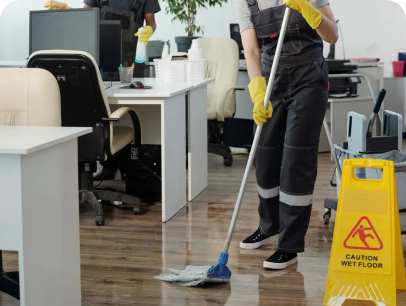
Inspection and Surface Assessment
Technicians check for surface type, damage, coatings, and contamination levels.
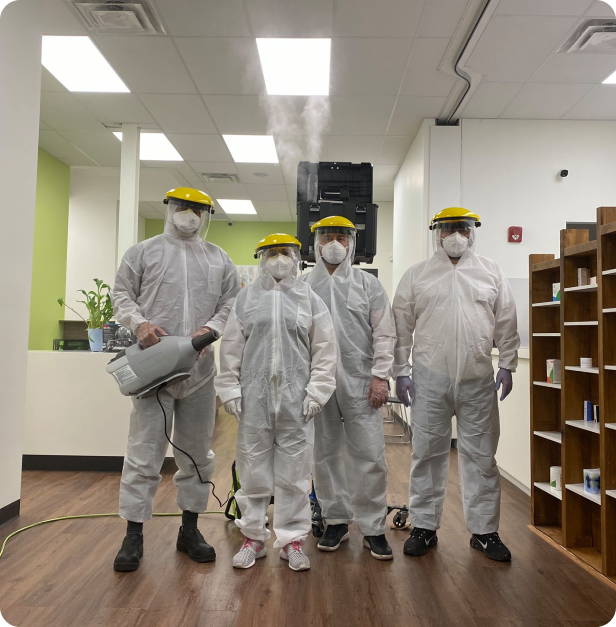
Selecting the Correct Pressure and Temperature
Not all surfaces tolerate the same PSI—professional judgement prevents etching or damage.
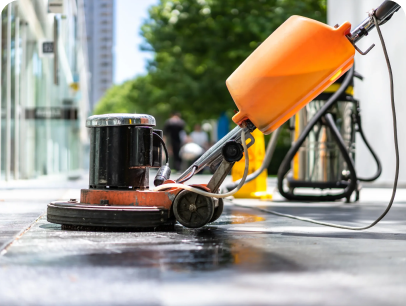
Applying Detergents or Pre-Treatments
Helps loosen grime, oils, organics, or stains before rinsing.
Controlled, Consistent Cleaning Pattern
Technicians use even strokes and proper distance to ensure uniform results.
Rinse, Recovery, and Final Detailing
Leftover residue, streaks, or missed spots are addressed before completing the job.

Clean Walkways and Exteriors Reduce Safety Risks
Clear away algae, mould, and slippery buildup before they cause accidents.
The Safety Protocols Behind Every Power Washing Job
- Slip-resistant boots
- Eye and face protection
- Gloves and long sleeves
- Hearing protection
- High-visibility gear when needed
Crews set up controlled work zones, secure cables and hoses, and ensure pedestrians are kept at a safe distance.
How Professionals Manage Water, Pressure, and Chemical Safety
- PSI based on material (concrete vs. siding)
- Nozzle type for wide or narrow spray
- Temperature for grease or organic buildup
- Detergent dilution to protect finishes
This ensures effective cleaning while preventing etching, paint removal, or surface wear.
Post-Wash Inspections That Confirm the Job Is Done Right
- Corners, edges, and shaded zones
- Streaks or uneven cleaning
- Slippery residue
- Suds or detergent film
- Drainage paths and runoff areas
A thorough review ensures surfaces are not only clean but also safe and ready for use.
Post-Wash Inspections That Confirm the Job Is Done Right
- Corners, edges, and shaded zones
- Streaks or uneven cleaning
- Slippery residue
- Suds or detergent film
- Drainage paths and runoff areas
A thorough review ensures surfaces are not only clean but also safe and ready for use.
What Determines the Price of Power Washing
- Square footage cleaned
- Surface material and condition
- Stain type (oil, algae, rust, etc.)
- Accessibility and required equipment
- Water management needs
- Frequency of service
Estimates reflect the level of preparation, equipment, and time required to achieve a complete, even clean.

Power Washing vs. Soft Washing — Knowing the Difference
Not all surfaces can withstand high pressure. Soft washing uses low pressure combined with detergents to clean delicate materials such as siding, stucco, or painted wood. Power washing is ideal for concrete, stone, and heavily soiled exterior surfaces. Using the wrong method risks damage, so understanding the difference ensures each surface receives the correct treatment.
Why GTA Businesses Trust Arelli for Power Washing
Arelli delivers reliable power washing backed by trained technicians, commercial-grade equipment, and environmentally responsible methods. Our process protects surfaces, improves safety, and restores curb appeal without disrupting your operations. With flexible scheduling and consistent service from non-franchise crews, your facility stays cleaner and more inviting year-round.
FAQs
Answers to the most common questions businesses ask before choosing Arelli

How often should commercial properties be power washed?
What surfaces can be safely power washed?
Concrete, brick, stone, metal, and many exterior hard surfaces respond well to power washing. More delicate surfaces—such as siding, stucco, or painted wood—may require soft washing instead to prevent damage.
Is power washing safe for the environment?
Yes, when done professionally. Eco-friendly detergents, controlled water use, and proper runoff management ensure contaminants do not enter storm drains or landscaped areas.
How long does a power washing job take?
Time varies by square footage, buildup level, and number of surfaces. Small entrance areas may take under an hour, while full exterior or multi-surface cleanings may require several hours or multiple visits.
What’s the difference between power washing and soft washing?
Power washing uses high pressure to clean durable surfaces. Soft washing uses low pressure with detergents to safely clean sensitive materials. Professionals choose the method based on surface type and contamination.